
Erik’s Cause
MEET
Erik Robinson

-
Children deserve honest information about the risks they may encounter online. Adults deserve resources that help them guide, protect, and communicate effectively with young people.
-
Our programs are skills-based, non-graphic, evidence-informed, and age-appropriate. They empower children to make safe decisions and equip adults to have meaningful, supportive conversations.
-
Erik’s Cause engages in awareness-building by sharing advocacy links and partnering with aligned organizations working to highlight online harms and social media challenge risks. They support broader efforts to influence policy, elevate public understanding, and spur safer digital environments for kids. This work connects community, education, and policy levels around online safety.
-
LINK TO VICTIM MAP
Turning our Tragedy into Action
to Fight Online Harms
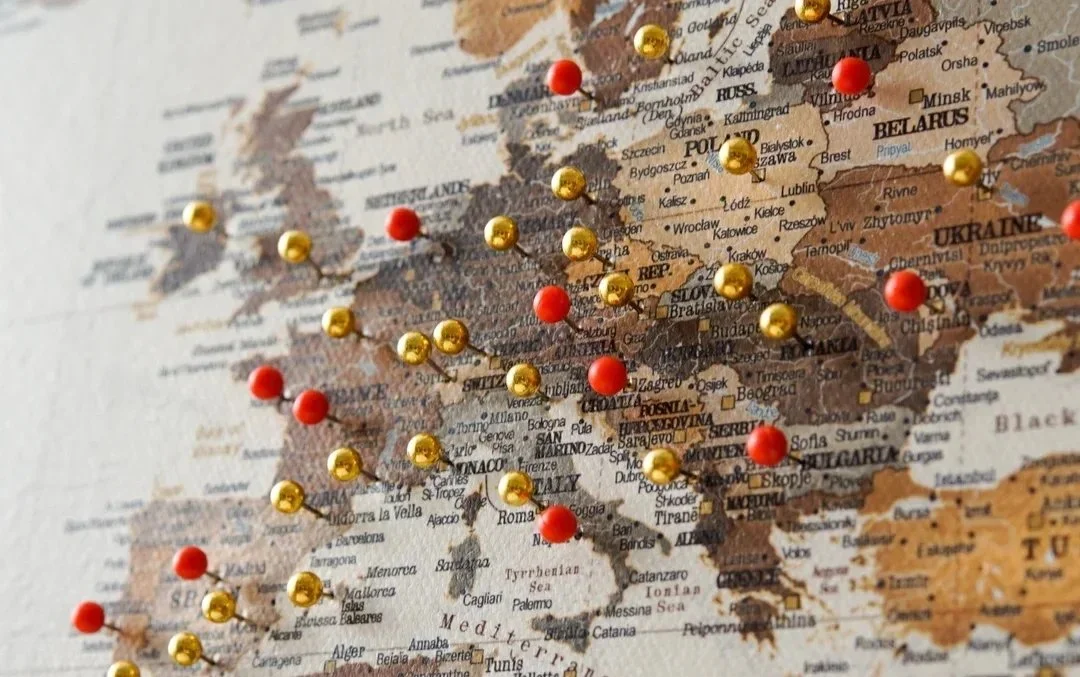
INTERACTIVE MAP OF
“PASSOUT CHALLENGE” VICTIMS
Learn about victims in your area and across the globe that have been lost to dangerous pass-out challenges.
WHAT WE OFFER
16 YEARS LATER—TARGETED PREVENTION THAT EVOLVES
We build on digital safety and literacy to help kids and adults keep pace with rapidly evolving online harms. Our programs include Navigating Online Harms: Knowledge Is Power® for kids and Is Our Digital World Destroying Health & Families? for adults, plus online-harm prevention resources for families, schools, and communities. Prevention alone isn’t enough. We also partner with organizations nationwide to advocate for legislative and policy changes to keep kids safer online. Real risks. Practical skills. Prevention—and advocacy—that evolve with the digital world.
-
Navigating Online Harms: Knowledge Is Power®
Real Risks. Real Skills. Smarter Choices.Digital harms evolve fast. Prevention education must evolve with them.
Our fully scripted, research-informed program complements general digital literacy with brief, targeted prevention lessons addressing specific, rapidly evolving online harms. Students learn to recognize risks, resist pressure, think critically, protect one another, seek help from trusted adults, and make smarter choices—without explicit, graphic, or traumatizing content.
Topics include dangerous online challenges; algorithms and persuasive design; AI companion chatbots; predators and grooming; gaming, including Roblox and Discord; gambling; sexting and digital permanence; disturbing content; cyberbullying; and other emerging harms.
The skills we teach transcend any platform, app, or trend.
→ Explore the Full Student Program: Real Risks. Real Skills. Smarter Choices.
-
“Is Our Digital World Destroying Health & Families?”
Today’s digital world is changing faster than most adults can keep up. We cut through the noise and focus on what adults need to know—and what they can do. This engaging workshop helps parents, caregivers, and professionals recognize online harms, spot warning signs, and guide kids through the challenges they face.
From social media, algorithms, gaming, and online predators to AI, sexting, dangerous challenges, and other emerging harms, we provide practical parenting tips and strategies adults can use at home.
Knowledge empowers adults, too.
-
Protecting kids takes more than education. Erik’s Cause partners with organizations nationwide to turn awareness into action—amplifying emerging online harms, sharing critical resources, and advocating for meaningful legislative and policy changes that make the digital world safer for kids.
We bring together education, advocacy, and lived experience to help elevate the risks facing young people and push for real change.
Awareness starts the conversation. Advocacy moves it forward.
→ Explore ADVOCACY (Where Education Meets Action) to learn more.
→ Explore RESOURCES to learn more about our partnerships -
Knowledge shouldn’t stop with what we teach. Our Resources bring together research, reports, advocacy organizations, and trusted information to help families, educators, professionals, and communities better understand online harms.
Whether you’re looking for recent research, exploring a specific risk, or digging into decades of work on dangerous challenges, we make it easier to find credible information and keep learning.
Knowledge is power. Keep digging!
-
Online harms change as quickly as the digital world itself. Knowing what kids face—and what adults can do—is the first step toward keeping them safer.
Explore Online Harms including AI chatbots, cyberbullying, dangerous challenges, gaming, predators, sexting, violent content, and more. Then turn knowledge into action with Tips & Tools to help adults recognize warning signs, start important conversations, and guide kids toward safer choices.
Know the risks. Spot the signs. Take action.
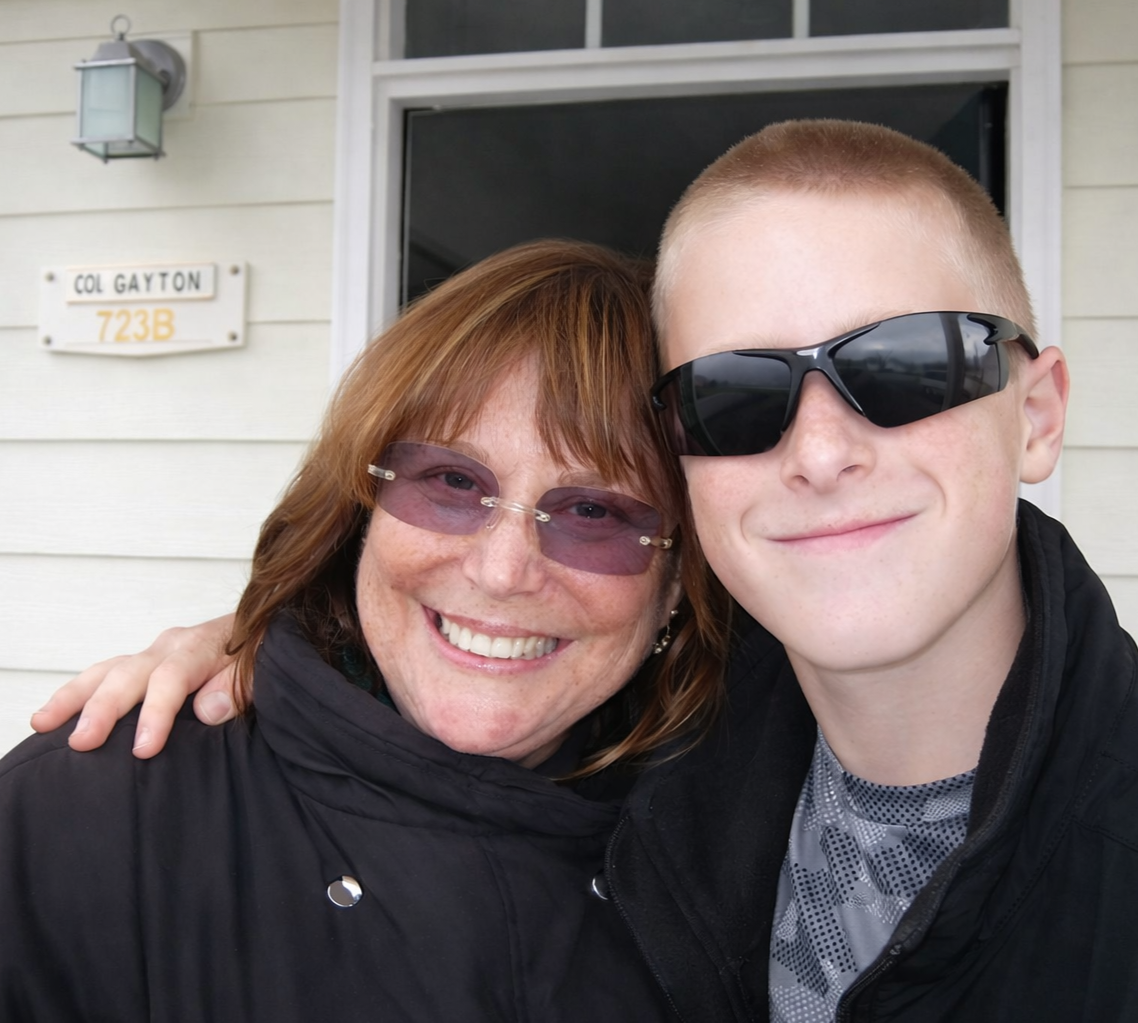
WHY I FIGHT
-
I lost my only child to something kids believed was safe. Now I work to make sure other families don’t.
-
Erik was a bright 6th Grader.. An “A” student, Boy Scout, and athlete. At just 11 years old, he was already corresponding with the United States Military Academy (West Point) to ensure he would meet their physical requirements.
He had plans.
He had direction.
He was fully engaged in life. -
One day he was fine. Later that day, he wasn’t.
He was resuscitated and placed on life support. That evening, detectives told us this wasn’t a suicide… it was something called the “choking game.”
We didn’t believe them.
He was too smart to do something like that. -
The next day, when it was confirmed Erik had no remaining brain activity, we let him go.
At the time, we publicly called it a “tragic accident.” Because we truly believed that Erik would never intentionally do something so dangerous.
-
Within days, a student broke the kids’ “code of silence”
Erik had been seen at school with another boy—showing each other how to choke themselves and each other.
Soon after, I discovered there were thousands of videos online—under many different names—showing kids how to do this.
They said:
it was safe
it was fun
not to listen to parents
and dared others to try
As the years have passed, more and more videos have flourished over ALL platforms.
November 2022, Bloomberg News: TikTok Viral Challenges Keep Luring Young Kids to their Deaths
September 2021, Fox News: Her son died from a 'choking game,' now she's determined to save other kids' lives
March 2018, TIME Magazine: The Dangers of the 'Choking Game' to get High. Instead They're Dying
-
Whether Erik saw it online—or learned it from another child—we may never know.
But the reality is clear: Kids were doing this. And they didn’t know it could kill them.
-
These deaths are often misclassified. A suicide and an accidental death from this activity can look the same physically. Without deeper investigation, cases are frequently labeled as suicide—and closed.
-
I lost my only child to something kids believed was harmless.
Now I focus on:
awareness
education
prevention
Because this is preventable.
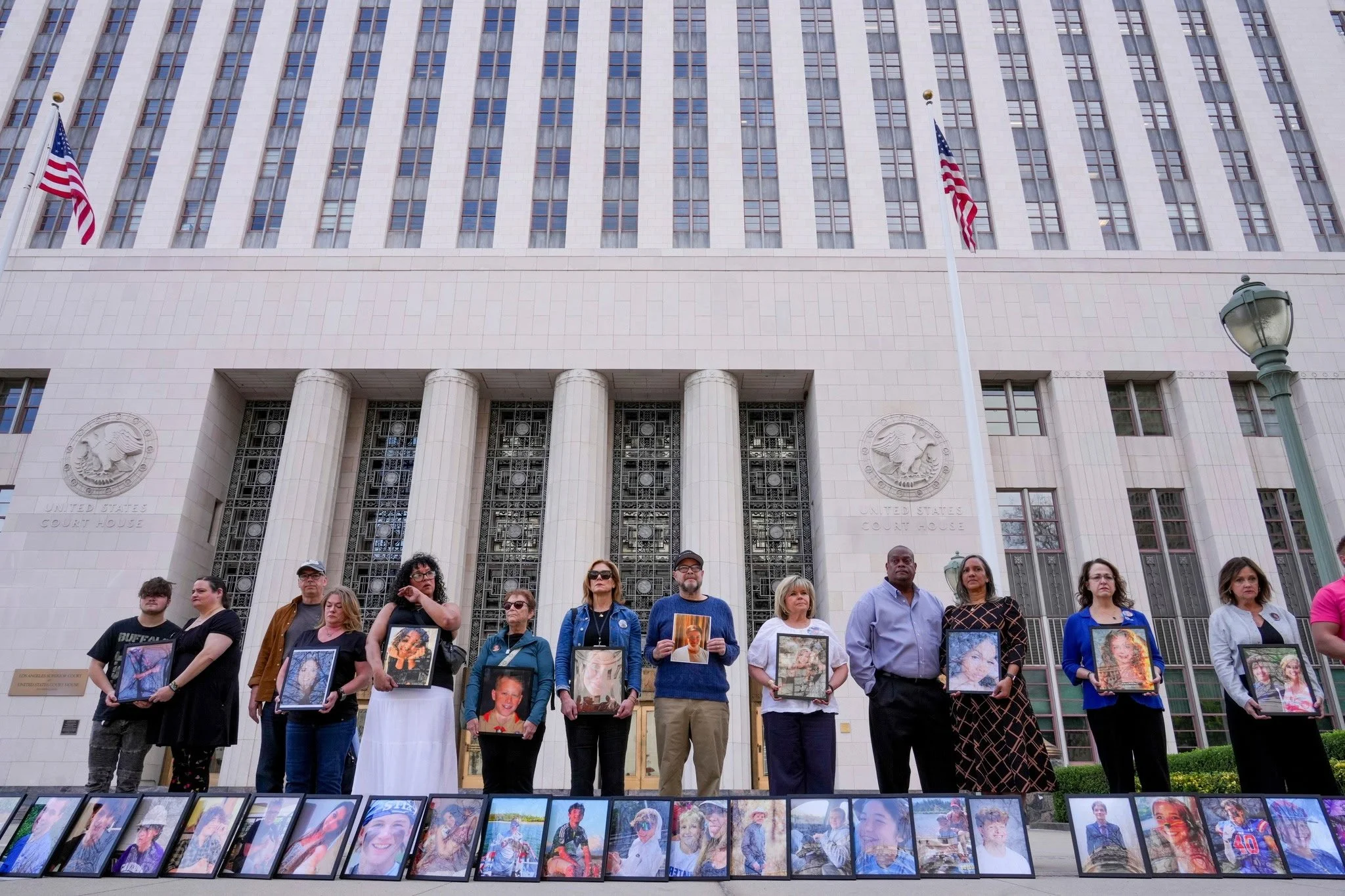
START THE CONVERSATION
THAT MAKES A DIFFERENCE
JOIN THE FIGHT
-
You don’t have to be an expert to make a difference. Every conversation, every shared resource, every school presentation, and every parent who speaks up matters. Whether you choose to educate, advocate, volunteer, donate, support legislation, or simply start conversations in your own community, your voice can help protect children and support families.
There is no single way to help. We welcome people wherever they are, however they feel comfortable joining the effort to create a safer digital world for children.
To learn more about ways to get involved, visit our Advocacy, Educational Programs, and Support Our Work pages.
-
Growing research, legal action, advocacy efforts, whistleblower testimony, and public awareness are shining a brighter light on online harms, dangerous challenges, addictive design, and youth mental health. Families, educators, researchers, lawmakers, and former tech insiders are increasingly speaking out and demanding change.
Stay informed about emerging research, legislation, advocacy efforts, media coverage, and the evolving digital risks facing children and families today.
To stay updated on advocacy efforts, legislation, and current issues, visit our Advocacy, Research & Evidence, and Learning Hub pages.
-
What began as one family’s tragedy has become part of a much larger global conversation. Families around the world are facing many of the same online risks, pressures, and platform-driven harms.
Through education, awareness, advocacy, and open conversations, we can work together to create safer digital spaces and a healthier future for children everywhere.
To learn more about our outreach, awareness efforts, and ongoing work, visit our Annual Impact Reports, Media & Awareness, and Resource Hub pages.
-
Meaningful change happens when people come together. We are grateful to work alongside survivor families, educators, researchers, advocacy organizations, medical professionals, community leaders, and others who share a common goal: protecting children and strengthening families in the digital age.
Together, our collective voices help drive awareness, education, prevention, and change.
To learn more about the organizations and individuals helping advance this work, visit our Advocacy Groups and Resource Hub pages.