
DATA & VICTIM MAP
Formal statistics are limited because no public health databases monitor CHALLENGES
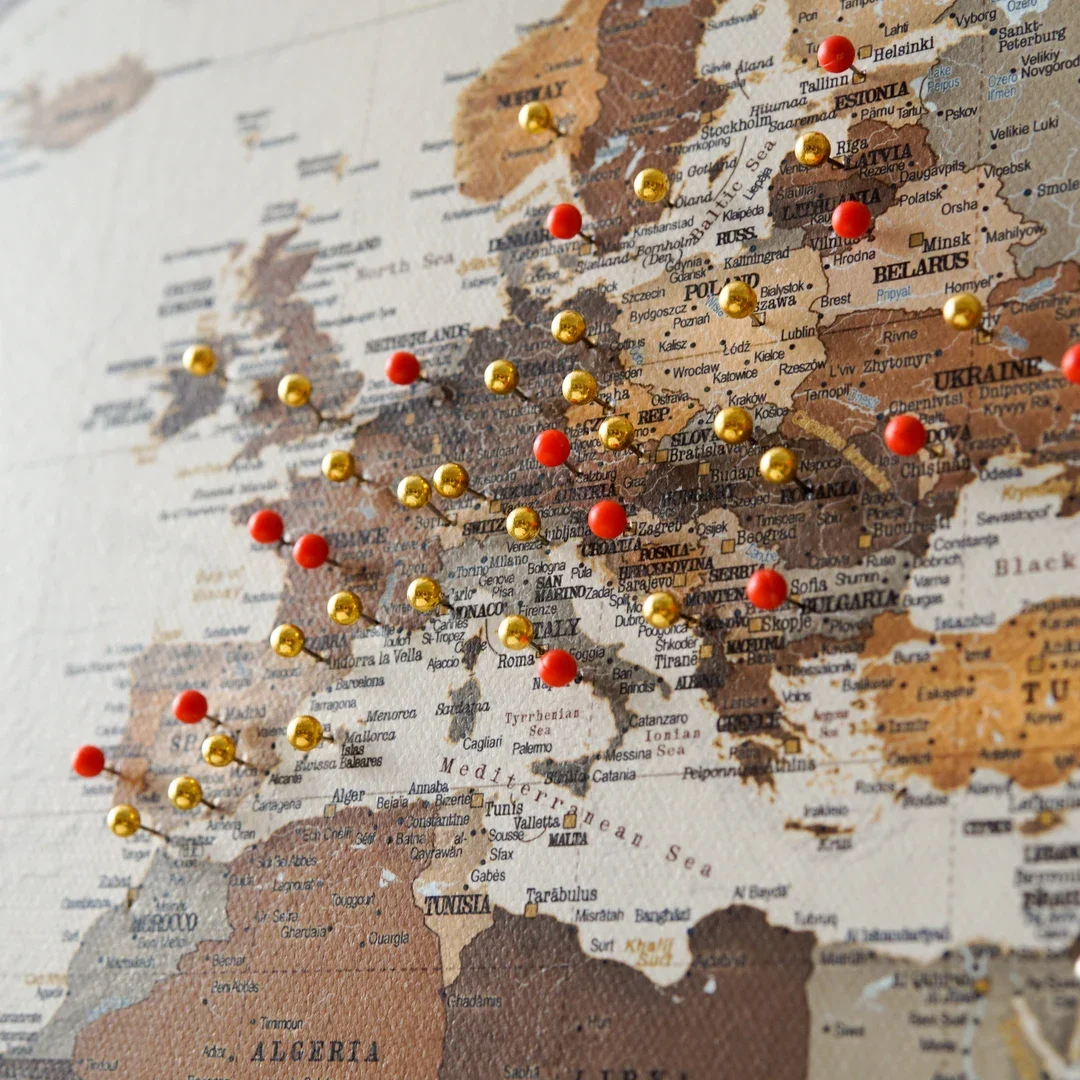
INTERACTIVE MAP OF
“PASSOUT CHALLENGE” VICTIMS
Learn about victims in your area and across the globe that have been lost to dangerous pass-out challenges.
~
"Blackout"
~
"choking challenge"
~
"space monkey"
~
"tap out"
~ "Blackout" ~ "choking challenge" ~ "space monkey" ~ "tap out"
THE MYTH:
“If we tell kids, they will try it”
THE REALITY:
“Education makes them safer.”
THE EVIDENCE SHOWS OTHERWISE
Most students have already heard about these challenges; they just don’t fully understand the risks.
Erik’s Cause training reduces risky curiosity by building judgment and real-world skills. Students leave more prepared to say no, speak up, walk away, and ask for help.
This isn’t about introducing ideas. It’s about equipping kids to make safer choices with confidence.
STUDENT LEARNING RESULTS
-
Students don’t just learn the risks—they learn why decisions feel harder in the moment.
After our training, students report a 29% stronger understanding of how their brains work—and show improved decision-making, including greater willingness to pause, say no, and seek help.
Insight leads to better choices.
(Based on anonymous pre- and post-training surveys using a Likert scale to measure students' agreement or understanding.)
View the results:
➡️ DIG DEEPER
-
Most students have already heard about these challenges — they just don’t understand the risk.
After our training, curiosity doesn’t increase — it decreases.
Students gain clearer judgment and practical skills to respond in real situations.
They’re more likely to say no, speak up, walk away, and ask for help.
Education doesn’t spark curiosity— it reduces it.
View the results:
➡️ DIG DEEPER
-
After our training, students don’t just understand more — they act differently.
They’re more likely to say no, speak up, walk away, and ask for help when it matters most.
This is where education makes the difference—turning awareness into action. The attached data shows marked improvement beteween 12% and 31%.
(Based on anonymous pre- and post-training surveys using a Likert scale to measure students' agreement or understanding.)
View the results:
-
After our training, students are 37% more likely to tell an adult they feel unsafe online.
Insight leads to better choices.
(Based on anonymous pre- and post-training surveys using a Likert scale to measure students' agreement or understanding.)
View the data:
➡️ DIG DEEPER
-
Students leave with clear, practical ways to refuse—using confidence, body language, and simple strategies they can use in real situations.
View the results:
-
After training, curiosity shifts away from risky behaviors and toward understanding consequences, safety, and how to make better decisions.
View the results:
-
Students consistently point to key lessons: challenges aren’t safe, pressure removes choice, and it’s okay to speak up or ask for help.
View the results: